


Early in designing a new model of student support at our university, one detail worried us more than almost anything else in the plan: what to call the role. The role itself was straightforward: one person a student could turn to early on, someone who would notice, follow up and connect different parts of the university around a single student’s path.
Universities everywhere are rethinking how they support students through difficult stretches of their studies, long before a problem turns into a crisis, and we wanted this role to hold up its end of that work. But we kept returning to the name, because we could see it working against us in two different directions at once.
A familiar title for this kind of role, rooted in the Soviet/Russian academic tradition and built around supervision and record-keeping, already exists in our region. We were concerned that students would read it as oversight rather than support, and say less than they needed to right when it mattered most.
- How can universities ensure all new students feel welcome?
- How to turn student feedback into HR decisions that actually change their experience
- Strategies for a holistic student experience
We worried just as much about the other side of the relationship: that faculty asked to flag a struggling student would experience it as filing a report rather than looking out for someone, and would do it less often as a result. Giving the role a name that discourages the behaviour it depends on works against its own purpose.
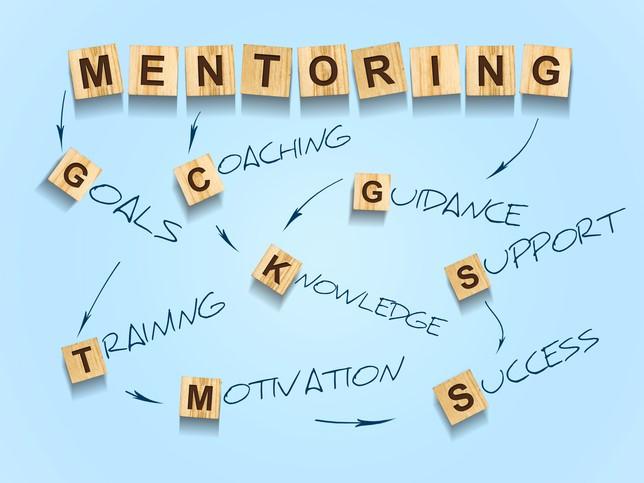
So we chose mentor, a word that describes what the relationship is meant to feel like rather than what the institution needs to track. The mentoring programme itself carries its own name, SENU, short for Student Engagement NU, and in Kazakh the word also means trust – a small coincidence that captures what we were reaching for better than any explanation we could have written.
That choice fit naturally with how our university already thinks about students. Our approach to development rests on a concept we call Tolyq Adam, Kazakh for “whole person”: a homegrown interpretation of the global holistic-development paradigm, built around three dimensions: intellectual maturity, emotional openness and inner resilience.
The framework draws on Kazakhstan’s own cultural heritage rather than importing one wholesale, and it treats students as whole people rather than as academic outputs to track. A mentor, dedicated to a student’s growth across all three of those dimensions, was the natural name for the figure at the centre of that philosophy, and it gave the role a purpose that went beyond simply checking in.
The network beyond the name
We built real structure around that name. Mentors sit at the centre of a small network rather than working alone: faculty who notice a change in a student’s engagement can flag it early, specialised services step in for more complex situations and peer mentors within student groups often see a difficulty forming before anyone else does. Every part of that network routes back through the same person, so a student never has to work out on their own who to approach next. The name set the tone, and the structure behind it carried that tone through into daily practice.
What happened?
In practice, the questions students bring to their mentor turn out to be wide-ranging: coursework and academic planning sit alongside adjustment to student life, career decisions and concerns about well-being that do not always announce themselves.
The range of the role was important: a title that only fit the hardest conversations would end up as something students approach with reluctance, and mostly at the point of crisis. But a title built around trust invites the ordinary conversation just as easily as the difficult one, which is often what makes the difficult one possible in the first place.
We used two questions as our guide throughout the process, and I think they travel well to other institutions building similar roles. First: does the title describe what the role offers the student or what the institution does to the student? Those are different sentences, and students notice the difference before anything else is said.
Second: would the students this role serves walk toward this title on their own, or does someone always need to explain it first? A name that needs constant explaining is rarely the right one. We found it useful to ask both questions again once students had lived with the role for a while, since their answer carries more weight than ours.
None of this replaces the real work behind a role: the policies, the training, the follow-through that make a promise credible over time. But a name is often the first thing a student meets – sometimes the only thing – before deciding whether to trust the person behind it. It deserves the same care as everything else in the system. Ours became mentor. It fits, and we are still learning what it can become as more students grow up inside it, which feels like the right place to be.
Dana Abiltayeva is deputy director of the department of student services at Nazarbayev University.
If you would like advice and insight from academics and university staff delivered direct to your inbox each week, sign up for the Campus newsletter.


comment